Software development forIrish companies
Engineering that ships, for Irish founders, CTOs, and operations leads who cannot win a hiring race against an EMEA headquarters and would rather not sign a retainer to get the work done.
At a glance
- Market
- Ireland
- Region
- Europe
- Time zones
- IST · GMT
- Overlap with our day
- Ireland runs GMT through the winter and IST — UTC+1 — through the summer, which puts Dublin seven to eight hours behind Manila. Our afternoon is your morning: 16:00 in Silang is 09:00 in Dublin under IST, and 17:00 here once the clocks go back. On a standard Philippine day that is roughly two hours of live overlap in summer and about one in winter, all of it at the opening of your day. When a build needs more, we start at midday PHT and cover your morning into the early afternoon.
- Currency for quotes
- EUR

In one paragraph
What Blackbyrds Digital does in Ireland
Blackbyrds Digital is a global digital engineering and technology partner based in Silang, Cavite, Philippines, and works with companies across Ireland. We design and build web applications, internal platforms, SaaS products, and AI automation, priced as a fixed quote in EUR against a written scope and contracted under Irish law, with EU-region hosting and development that keeps production personal data out of development environments. The last hours of our afternoon cover the start of the Irish working day. The studio was founded in 2017 and has shipped more than 70 products; there is no retainer lock-in, and every engagement closes with a handover your own team or a group IT function elsewhere can work from.
Why Irish companies work with us.
Senior capacity you are not outbidding a multinational for
You are rarely short of ideas in an Irish product team; you are short of the two or three people who could execute them. The engineers you want are already employed, already being courted, and on three months’ notice, so a hire agreed in August is contributing in November at the earliest. A studio engagement inverts that shape: a start date you choose, a scope with an end, and no permanent headcount left to keep busy once the work is finished.
Your morning opens on work that already moved
A seven-hour gap only hurts a project that needs everyone awake at the same time. Structured properly it hands you a second shift: the build moves while Ireland is asleep, so the first thing your team does at nine is look at something rather than explain something. The cost of that falls on us, and it is discipline — a preview URL on every branch, a written close-of-day note, and every decision recorded where you can find it without asking. None of it is a concession to the time zone. It is how the work should run regardless; the distance only removes the option of skipping it.
One team for the design, the build, and the automation
A project split between a design agency, a development shop, and an automation consultant leaves somebody managing the seams between them, and that somebody is usually you. Here the person designing the interface, the engineer shipping it, and whoever wires up the AI or automation layer sit in the same team and the same thread. For an Irish company with no internal product function — or one already fully committed to this year’s roadmap — that removes a job nobody was hired to do.
Built so your team, or your group IT, can take it over
Most work that reaches us arrives with a history: a build someone abandoned, a platform with no documentation, a system only one person understands. We would rather not add to that pile. Handover means repository access, commit history, environment and deployment configuration, and setup notes written for somebody who was not here, followed by a call with whoever inherits it — your developers, a group IT function abroad, or your next supplier. Commercial terms are agreed per engagement, and none of the handover depends on you signing a retainer.
What we deliver in Ireland.
Each service links to its own page, either written for this market or the studio-wide description of the work.
Software Development
SaaS platforms, internal tools, dashboards, APIs, and the database work underneath them.
Web Development
Next.js, React, and TypeScript builds — marketing sites, headless CMS front ends, and web applications.
Technical Consulting
Architecture reviews, code and performance audits, modernisation plans, and technical roadmaps.
AI & Automation
AI features inside real products, document and intake automation, and workflow automation that removes manual steps.
Dedicated Development Team
Engineers who work only on your roadmap, in your tools and your standups, without a local hire.
White-Label Web Development
Development delivered behind your agency’s brand. You keep the client, the strategy, and the credit.

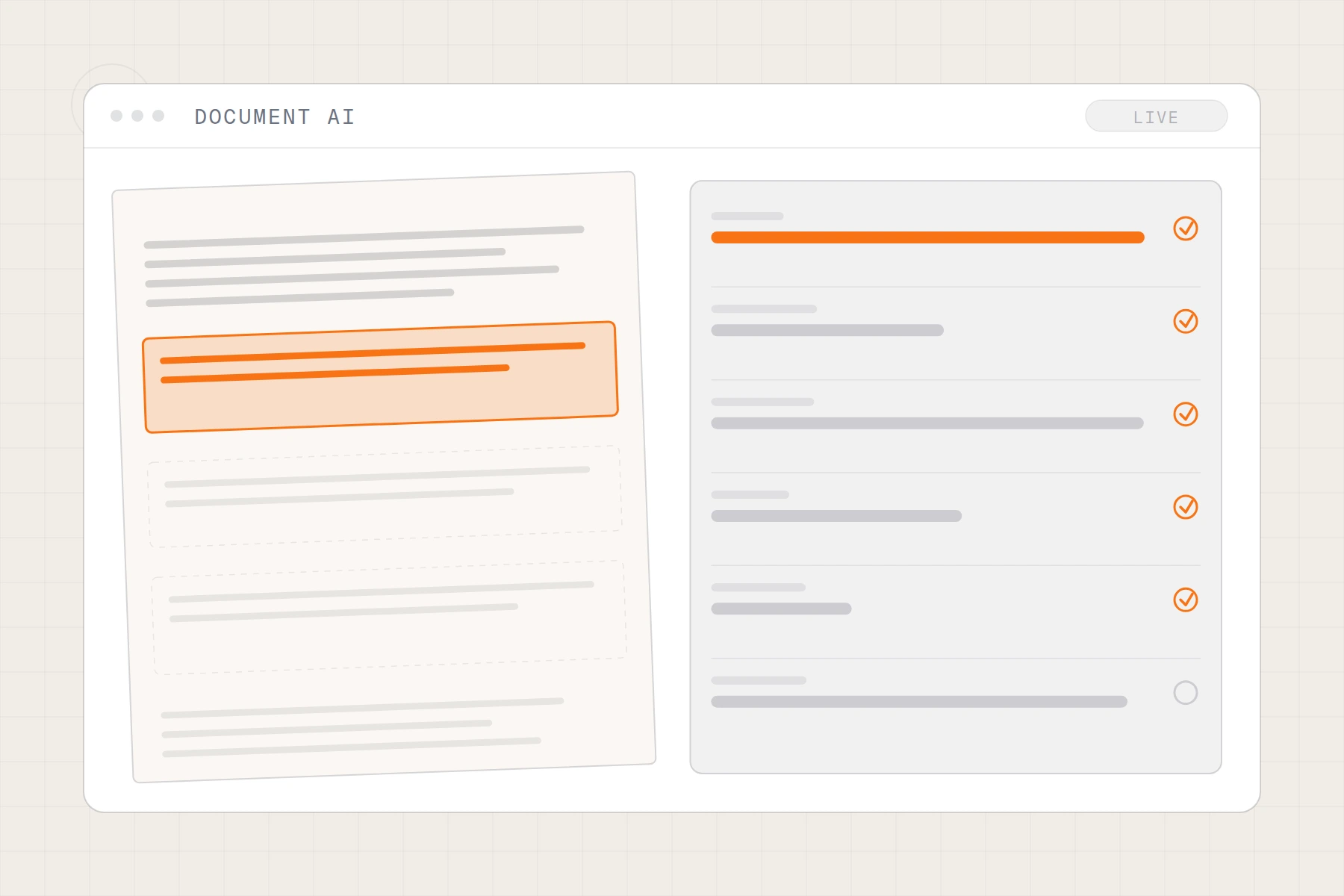

How it works with a team in the Philippines.
Ireland runs GMT through the winter and IST — UTC+1 — through the summer, which puts Dublin seven to eight hours behind Manila. Our afternoon is your morning: 16:00 in Silang is 09:00 in Dublin under IST, and 17:00 here once the clocks go back. On a standard Philippine day that is roughly two hours of live overlap in summer and about one in winter, all of it at the opening of your day. When a build needs more, we start at midday PHT and cover your morning into the early afternoon.
A discovery call in your hours
One call to understand the product, the constraint and the deadline. We book it inside your working day, not ours.
A written thesis and a fixed quote
Within about a week you get our read on the problem, a scoped plan and one number. No hourly estimates, no retainer lock-in.
Weekly demos of working software
Every week you see the actual product on a staging link. Questions are answered inside the overlap window, not left overnight.
A handover you can run without us
Repository access, environment configuration and written documentation. Then ongoing growth work, if you want us to stay.
Europe
The Irish context.
Ireland has a small domestic market and an outsized technology sector, and Irish companies meet both facts in the same place: hiring. A country of a little over five million people hosts the EMEA headquarters of many of the world’s largest software companies, and those companies set the salary floor for senior engineers in Dublin, Cork, Galway, and Limerick. An indigenous SaaS firm, a subsidiary carrying its own local systems, or a professional services group modernising a decade-old platform ends up bidding for the same shortlist — and then waiting out a three-month notice period the roadmap has no way to absorb.
A studio seven or eight time zones east does not change what gets built; it changes when the conversation happens. Ireland runs GMT through the winter and IST in the summer, so our afternoon lands on the front of your morning: 16:00 in Silang is 09:00 in Dublin under IST, 17:00 here once the clocks go back. One reliable window a day is enough for a standup, a demo, or the decision that would otherwise hold a ticket for twenty-four hours. Everything either side of it has to survive in writing, which is why every branch gets a preview deployment and every day closes with a note on what moved and what is stuck — waiting for you before we are awake.
The engagements we take are scoped and priced up front, in euro, under a services agreement governed by Irish law: an internal platform replacing spreadsheets that quietly became load-bearing, a SaaS product that has to work outside Ireland from its first release, a web application that has to hold up under real traffic, or an AI layer inside a process currently eating a team’s week. Blackbyrds Digital has done this since 2017 and has shipped more than 70 products. Build better, ship faster, scale smarter — with a studio accountable for an outcome rather than a seat count.
What to know.
One window a day, and it sits at the front of yours
Dublin sits seven hours behind us under IST and eight under GMT, and the shared hours land at the top of the Irish morning rather than anywhere in the middle of it: our 16:00 is your 09:00 through the summer, our 17:00 is your 09:00 once the clocks change in late October. On an ordinary Philippine day that is around two hours of live time, closer to one across the winter. It holds a standup, a demo, or the single decision that unblocks the rest of your day. Where a phase needs more than that, we move our start to midday PHT and stay with you into the early afternoon — and the scope names which of the two arrangements you are buying before anything is signed.
GDPR, the DPC, and a transfer outside the EEA
Ireland applies the GDPR directly alongside the Data Protection Act 2018, and the Data Protection Commission sits in Dublin as lead supervisory authority for a large share of the technology companies whose EU establishment is here. Irish buyers therefore ask sharper data protection questions than most, and they are right to. There is no EU adequacy decision covering the Philippines, so any personal data that reaches us is a restricted transfer and needs a lawful mechanism sitting behind it — in practice the EU standard contractual clauses plus a transfer impact assessment, signed alongside the data processing agreement you already hold with your other processors. Whatever your DPO or external counsel puts in front of us is what we sign, and we act only on your documented instructions. We claim no compliance status and hold no certification; what we can describe is practice. In most builds the practical answer shrinks the question — development runs on anonymised or synthetic records rather than live ones, production data stays in production, access is issued to named accounts scoped to the work, and those accounts are closed at handover.
Irish law, and the pack that arrives with procurement
A mutual NDA before the second call and a services agreement governed by the laws of Ireland are both normal asks here, and neither is a sticking point. The part that takes time is the onboarding pack a larger buyer sends over: vendor security forms, the processing agreement itself, and now and then a policy question routed through a parent company in another country. We fill those in as written. Where the true answer is no, it is no — we do not hold ISO 27001 or an equivalent certification, and if your policy requires one from every supplier, say so on the first call so neither side spends a month finding out.
Quoting and invoicing in euro
Quotes are written in euro against a written scope, and the number does not move because the exchange rate did: currency risk between kickoff and the final milestone is ours, not a variation handed to you in month three. Milestones are invoiced as they complete and settled by international bank transfer to our account in the Philippines, which sits inside the same supplier process an Irish finance team uses for any provider outside the country. Anything added to a scope is priced and agreed before it is built.
Who hires us in Ireland.
Buyer types
- Founders at seed and Series A who need a product shipped before the next raise
- CTOs and heads of engineering carrying a roadmap their team cannot staff
- Operations and finance leads in Irish subsidiaries, building what the group platform does not cover
- Digital, brand, and marketing agencies that need build capacity behind their own name
- Owner-managed firms replacing spreadsheets that have quietly become the business
Industries
- Financial services, payments, and fintech
- B2B SaaS and technology
- Professional services and legal
- Healthcare and health technology
- Logistics, distribution, and field services
- Manufacturing and industrial operations
- E-commerce and consumer brands
Ireland by city, and the other markets.
Ireland FAQ
Common questions.
Do you work with companies in Ireland?
Yes. The studio is in Silang, Cavite, Philippines, and we work with clients internationally, Europe included. The engagement is remote end to end: a scoping call, a written scope with a fixed quote in euro, then delivery milestone by milestone against a preview environment you can open whenever you like instead of asking us for a status update. Email hello@blackbyrds.digital with what you are trying to build and we will tell you whether it is a fit.
Is one shared window a day actually enough to run a project?
It is, provided the rest of the week is written down rather than spoken. The window itself runs to around two hours through the summer and closer to one after the October clock change, and it sits at the opening of the Dublin day — our late afternoon against your 09:00 — which is where a standup, a demo or a working session belongs anyway. Where a phase needs sustained real-time work we move our start to midday PHT and stay with you into the early afternoon. Either way every branch carries a preview URL and every day closes with a written note, because a project that only functions while a call is happening will not survive a bank holiday weekend.
How do you handle GDPR and a transfer to the Philippines?
Your data processing agreement is the one we sign — the same paper you use with your other processors — and we act only on your documented instructions. Because there is no EU adequacy decision covering the Philippines, the transfer itself normally rests on the standard contractual clauses with a transfer impact assessment behind them, and we work to whatever your counsel or DPO specifies rather than proposing our own. In most builds the engineering makes the question smaller than the paperwork suggests: developers work against anonymised or synthetic records, live personal data never leaves the production environment, and the accounts we are issued are named, scoped to the work, and closed when the engagement ends. We describe our practices; we do not claim a compliance status or a certification.
How do we contract with you and pay in euro?
A mutual NDA comes first if you want one. After that, a services agreement governed by the laws of Ireland is the usual shape here and not something we push back on. The work itself is quoted as a fixed price in euro against a written scope and invoiced milestone by milestone, settled by international transfer. Nothing continues by default: once the scope is delivered the engagement can simply end, and support afterwards is a separate decision you take with the thing already live.
What happens at the end of a project — can our own team pick it up?
That is what we build towards. At handover you get repository access, commit history, environment and deployment configuration, and setup documentation written for someone who was not part of the build, plus a walkthrough call with whoever picks it up — your own developers, a group IT function abroad, or another supplier. Anything unusual has its reasoning written down instead of living in an engineer’s memory here, and commercial terms are agreed per engagement. Clients who come back do it because they chose to, not because handover left them stranded.
Start a project in Ireland.
Tell us what you are building. We reply within one business day with a thesis, a plan and a fixed quote in EUR.
No retainer lock-in · Transparent pricing