MindBridge Counseling
A multi-state US telehealth counseling practice automated insurance verification and intake routing with a HIPAA-safe agent.
At a glance · Healthcare · 2025
What Blackbyrds Digital built, and what changed
Blackbyrds Digital deployed an intake agent for a 38-clinician US telehealth counseling group serving clients across 14 states. Headline result: Under 36 hrs (from inquiry to first session).
Published
- Client Intake Start
- Structured Conversation
- Presenting Issue Captured
The challenge
Before
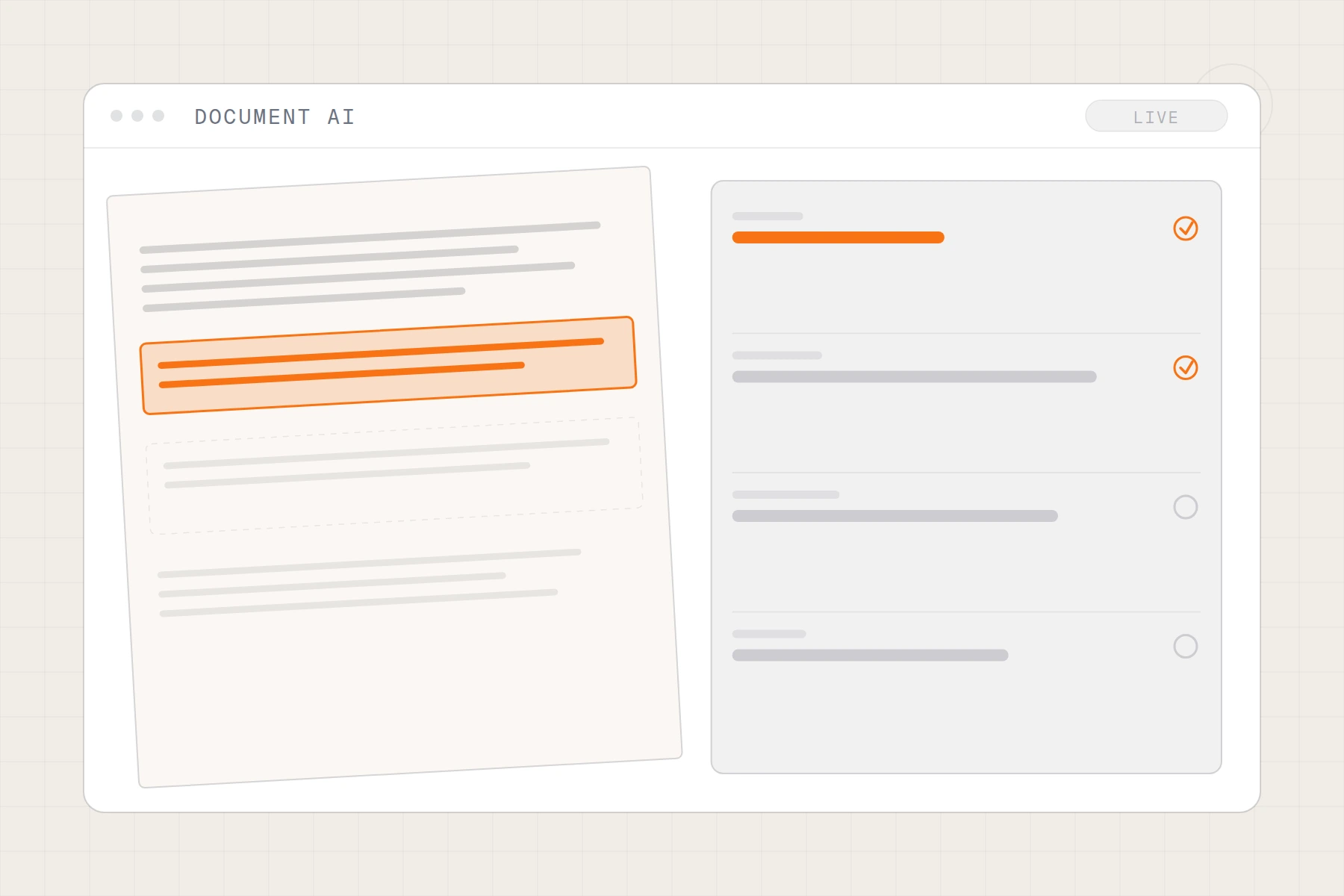
MindBridge is a 38-clinician US telehealth counseling group serving clients across fourteen states with mixed commercial and Medicaid coverage. Intake was the bottleneck — verifying insurance eligibility, confirming licensure-state match, screening for crisis indicators, capturing presenting issue, and matching to the right clinician was taking 9-14 days and was killing conversion. Clients in distress were giving up on care, and the practice was losing roughly 28% of qualified leads at intake.
- Insurance verification done manually by intake coordinator through payer portals
- Licensure-state matching done by spreadsheet against clinician roster
- Crisis screening inconsistent across intake coordinators
- 9-14 day intake-to-first-session window costing 28% of qualified leads
- Clinician matching done by intuition, not by structured fit
- Repeat insurance verifications when clients changed plans mid-year
- No way to surface availability across the full clinician roster in real time
- HIPAA-compliant communication channels limited to phone tag and email
- Insurance verification done manually by…
- Licensure-state matching done by…
- Crisis screening inconsistent across intake…
- 9-14 day intake-to-first-session window…
- Clinician matching done by intuition, not…
- Repeat insurance verifications when clients…
The solution
What we built
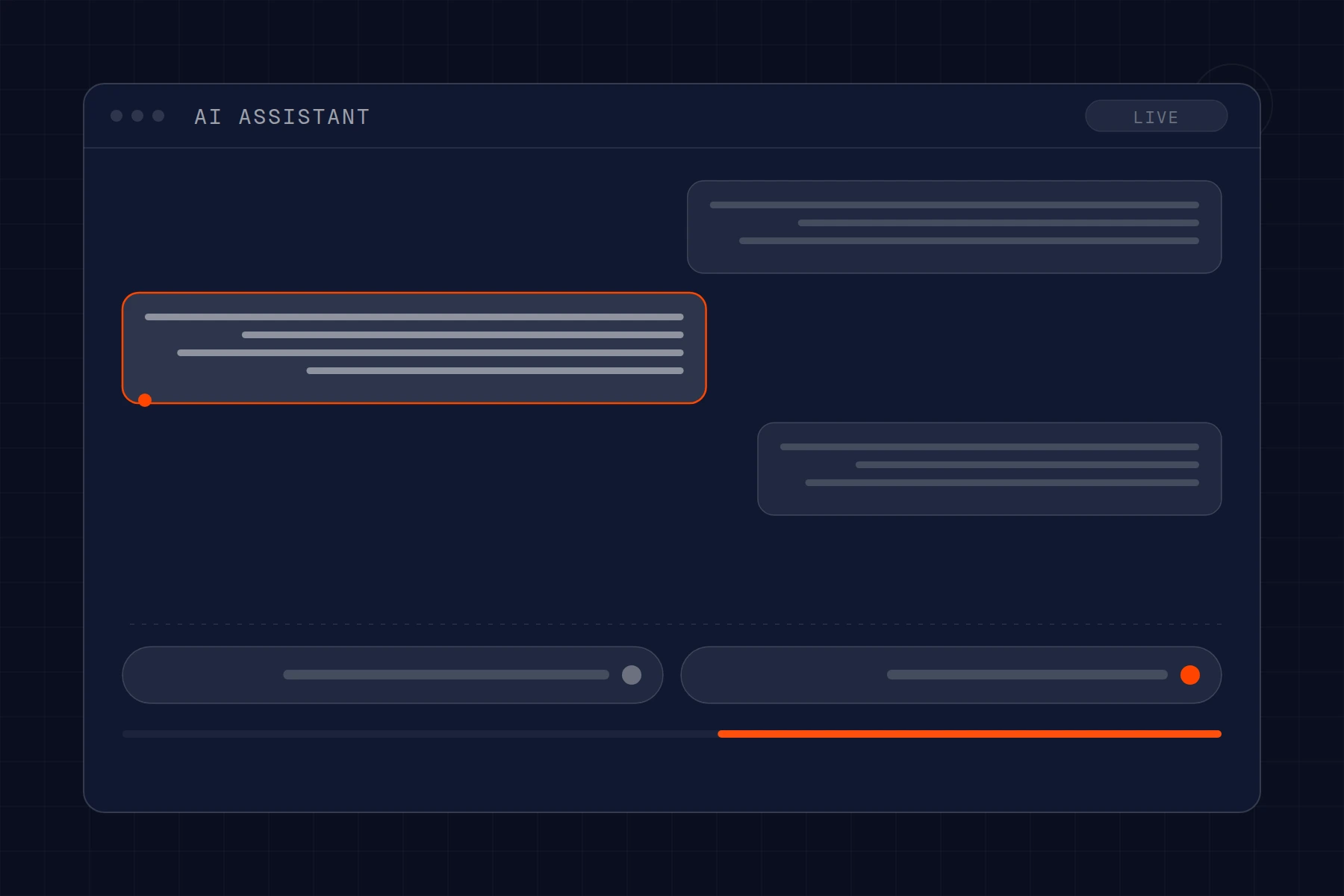
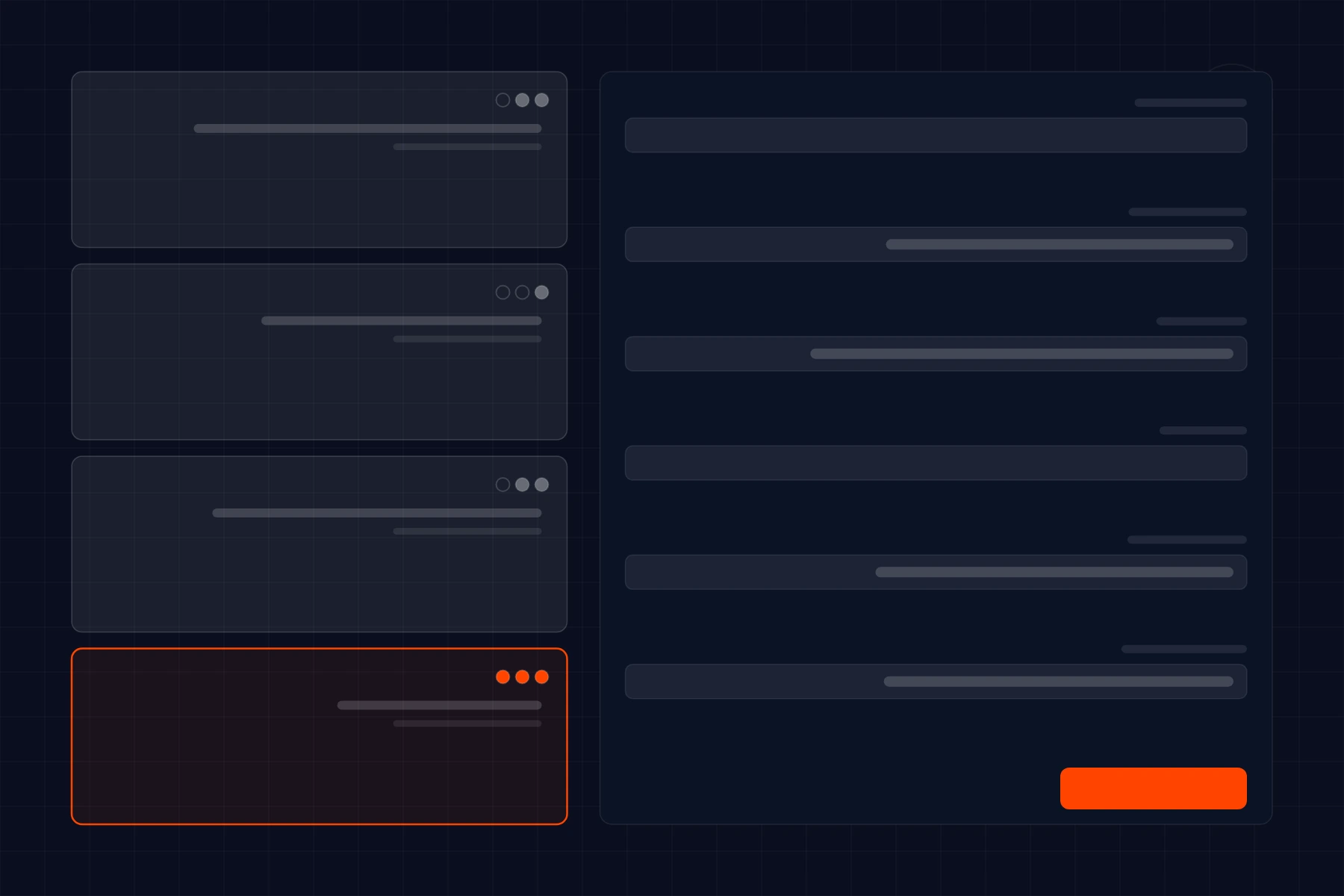
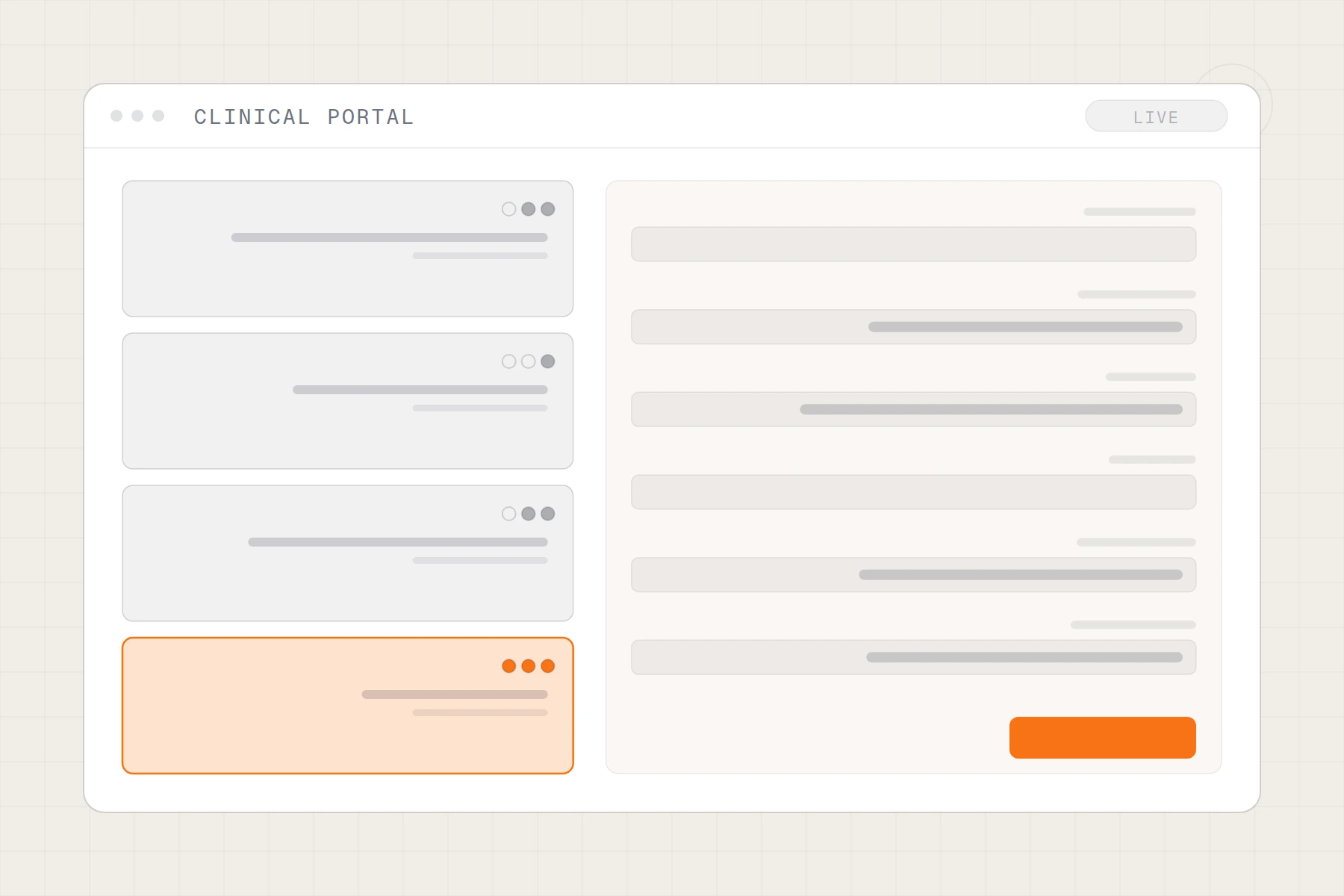
We deployed an intake agent operating inside the practice's existing HIPAA-compliant platform. New clients are guided through a structured intake conversation that captures presenting issue, demographic preferences, insurance, and licensure state. The agent calls payer eligibility APIs in real time to verify coverage and surface copay and deductible information. It applies a structured crisis-screening protocol with a human-clinician handoff path for anything that meets criteria — the agent never makes clinical judgments. Clinician matching uses structured fit (licensure state, specialty areas, availability, language, demographic preference) and surfaces three options to the client for choice. Scheduling happens in the same conversation. Crisis cases are routed instantly to a duty clinician with full context. Every interaction is logged in the EHR with audit trail. The agent is licensed for ePHI handling under signed BAA.
How the system flows
- Client Intake StartStructured ConversationPresenting Issue Captured
- Insurance CapturePayer APIEligibility + Copay Surfaced
- Licensure State MatchClinician Pool Filtered
- Crisis ScreeningRisk ProtocolDuty Clinician Handoff (if criteria met)
- Clinician MatchThree Options SurfacedClient ChoiceSchedule
- Scheduling ConfirmationEHR Record CreatedCalendar Booked
- Insurance Re-verification Scheduled at Plan Year Boundary
- HIPAA-compliant logging with audit trail under signed BAA
- Human clinician handoff path always available for ambiguous or sensitive cases
- Demographic-preference matching surfaced respectfully and optionally
Losing clients in distress to a slow intake?
We build healthcare intake agents that respect clinical judgment and regulatory boundaries — they prepare the work, your clinicians make the calls.
No retainer lock-in · Month-to-month · Full transparency