Highland Arabica Coffee Traceability
A 480-farmer Vietnamese coffee cooperative built farm-to-export traceability with QR-tagged batches and buyer dashboards.
At a glance · Agritech · 2025
What Blackbyrds Digital built, and what changed
Blackbyrds Digital built a traceability platform for a Da Lat highland coffee cooperative selling Arabica into specialty buyers across Europe and Asia. Headline result: +34% (average price per kilo).
Published
- Farmer Delivery
- Cherry Quality
- Weight Capture
- Farmer Account Credit
The challenge
Before
A Da Lat highland coffee cooperative representing 480 smallholder Arabica farmers was losing pricing power because they could not prove the provenance and processing detail of any specific lot. Specialty buyers in Europe and Asia were asking increasingly specific questions — single-farm or single-village lots, processing method, harvest week, fermentation hours — and the cooperative's answer was a manila folder of paper records that could not survive scrutiny. Without traceability, the cooperative was being paid commodity rates for what was clearly specialty product.
- Farmer delivery records on paper at the wet-mill receiving station
- Processing logs (washed, honey, natural) recorded in a notebook per shift
- Cupping scores stored in a spreadsheet on the lab manager's laptop
- Buyer queries about lot provenance answered by phone and email guesswork
- No way to price differentiated lots above commodity benchmark
- Certification audits (Fairtrade, organic) consuming six weeks per cycle
- Farmer payments delayed because lot consolidation tracking was manual
- Sustainability claims unsupported by data buyers could trust
- Farmer delivery records on paper at the…
- Processing logs (washed, honey, natural)…
- Cupping scores stored in a spreadsheet on…
- Buyer queries about lot provenance answered…
- No way to price differentiated lots above…
- Certification audits (Fairtrade, organic)…
The solution
What we built
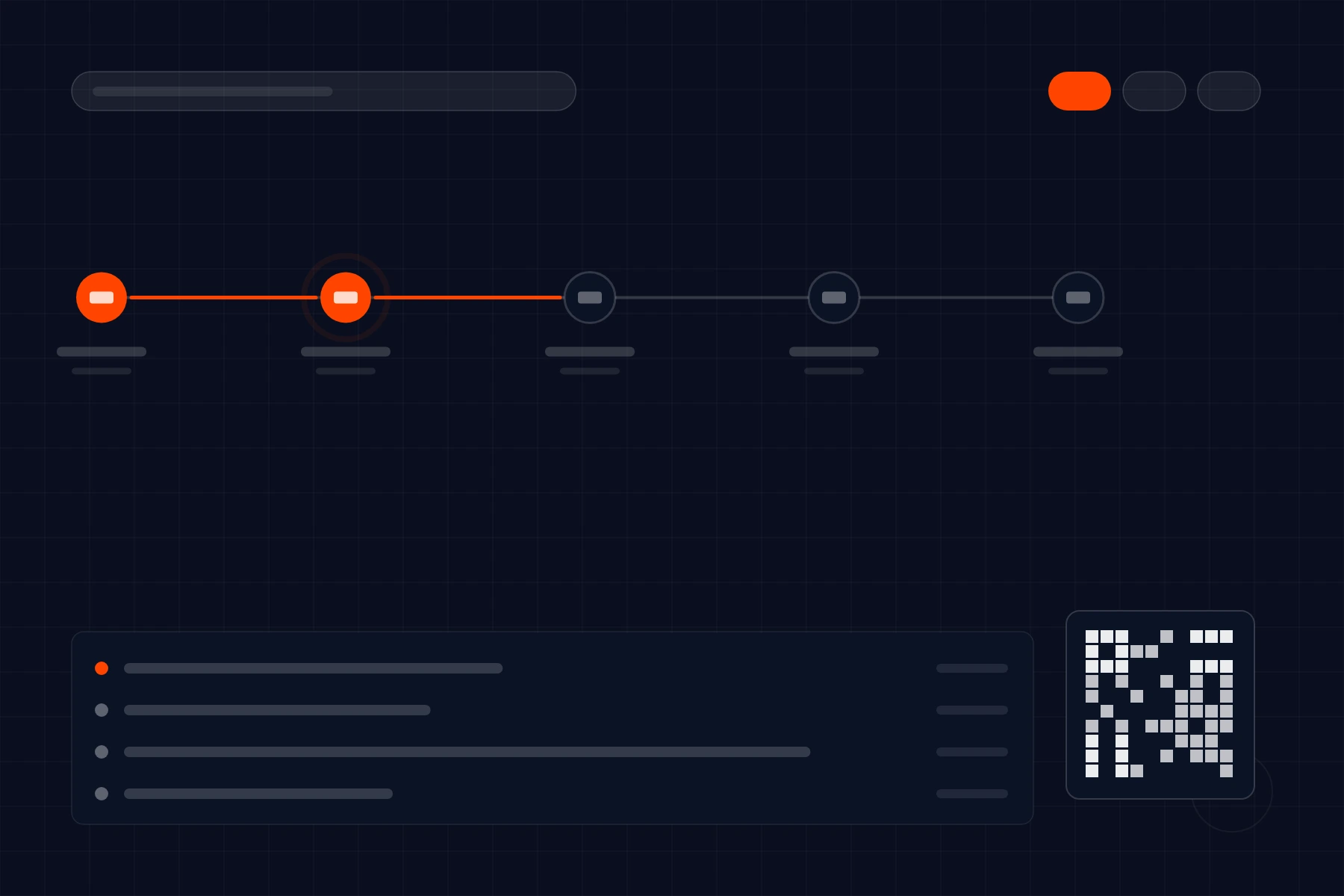
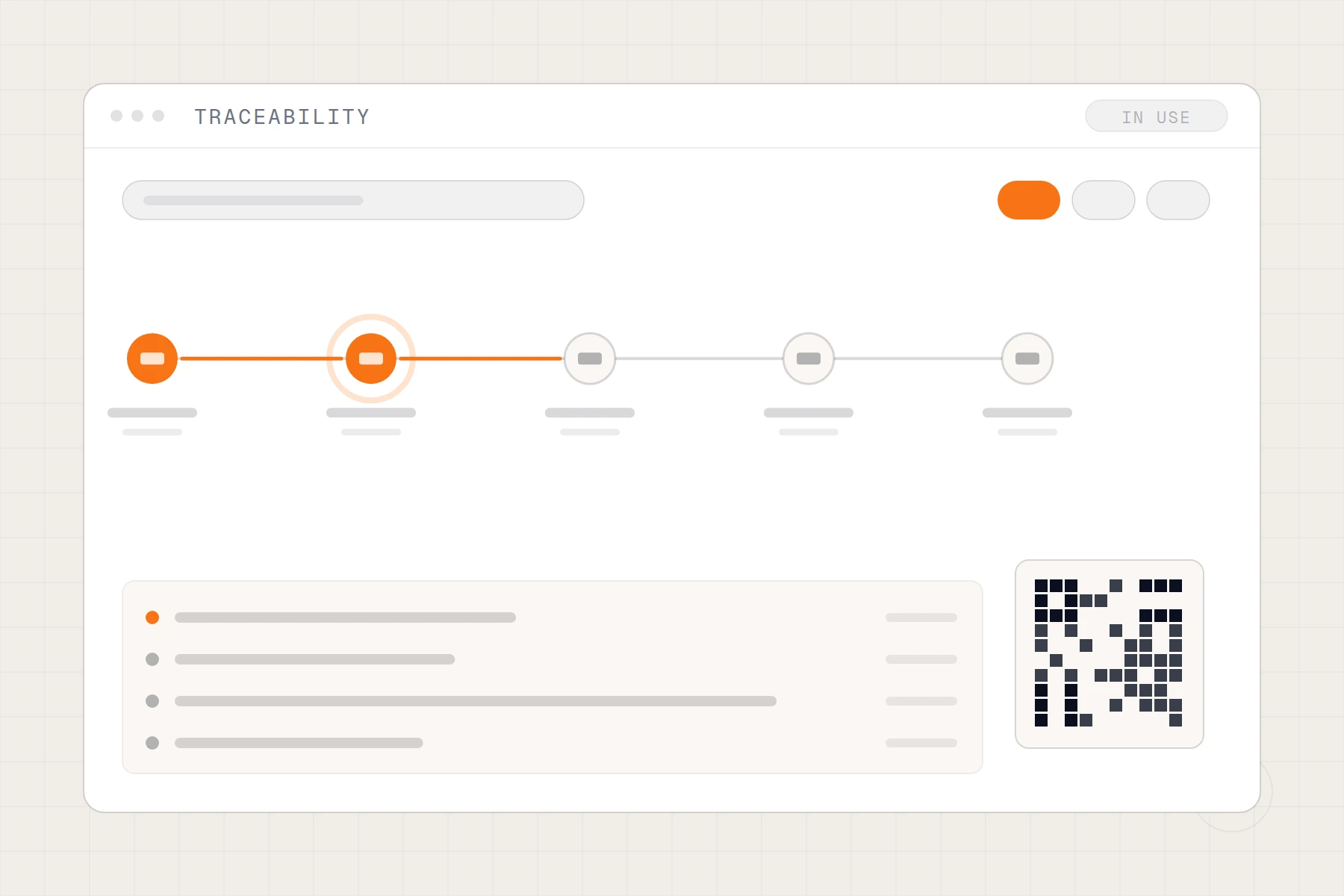
We built a traceability platform that follows coffee from individual farmer delivery through wet milling, drying, dry milling, cupping, export bagging, and shipment. Each farmer delivery is captured with farmer ID, weight, cherry quality, and GPS-tagged farm origin. Processing logs record method, duration, parameters, and operator at each stage. Cupping scores are entered by the lab and linked to specific lots. When a lot is built for export, the system aggregates every input down to the farmer level and produces a buyer-facing traceability sheet with a QR code. The cooperative's specialty buyers can scan the QR on the bag and see the full story — including which villages and farmers contributed, the average cupping score, the processing parameters, and supporting photos. Sustainability and certification audits now run against the same dataset, compressing audit time substantially. Farmer payments tie directly to lot sales — when a single-farm lot fetches a premium price, the farmer sees the upside.
How the system flows
- Farmer DeliveryCherry QualityWeight CaptureFarmer Account Credit
- Wet MillingMethod TagFermentation HoursDrying Bed Assignment
- DryingMoisture ReadingDry Mill EntryGreen Lot Building
- CuppingScore CaptureLot ClassificationExport-ready Status
- Lot ExportBag QR TagBuyer PortalProvenance Sheet Generated
- Certification AuditDataset ExportAuditor ReviewCycle Closure
- Farmer PaymentLot Sale ReconciliationPremium Share Distribution
- Buyer-facing traceability sheet with village, farmer, and cupping detail
- GPS-tagged farm origin captured at every delivery
- Sustainability claim evidence supported by structured platform data
Selling specialty without specialty pricing?
We build traceability platforms that turn provenance and processing detail into buyer-facing evidence — and pricing power for producers.
No retainer lock-in · Month-to-month · Full transparency