Vidalis Fertility Clinic Patient
A London fertility clinic gave patients a calmer, more dignified mobile experience for cycle tracking and lab results.
At a glance · Healthcare · 2025
What Blackbyrds Digital built, and what changed
Blackbyrds Digital redesigned the patient mobile experience for a private London fertility clinic supporting roughly 2,800 active patient journeys. Headline result: 2.8 to 4.7 (app-store rating).
Published · Updated
- Lab Result
- Clinical Context
- Interpretation Guidance
- Ask-a-Clinician Path
The challenge
Before
Vidalis is a private fertility clinic in London supporting roughly 2,800 active patient journeys at any given time. Their existing patient app — built years earlier on a generic healthcare template — was a constant source of patient distress. Lab results arrived as cold numerical readouts with no context. Cycle tracking was visually clinical when patients were in some of the most emotionally taxing weeks of their lives. Appointment reminders felt transactional. Patient feedback consistently described the app as adding to their stress rather than relieving it.
- Lab results presented as cold numerical readouts with no clinical context
- Cycle tracking visually clinical during emotionally taxing weeks
- Appointment reminders feeling transactional and slightly aggressive
- Medication schedule shown as plain calendar entries with no support detail
- In-clinic team fielding repeated questions about result interpretation
- No way for patients to see their own journey timeline contextualized
- Sensitive information (loss, complications) handled by the same UI as routine results
- Patient feedback consistently citing the app as a source of stress
- Lab results presented as cold numerical…
- Cycle tracking visually clinical during…
- Appointment reminders feeling transactional…
- Medication schedule shown as plain calendar…
- In-clinic team fielding repeated questions…
- No way for patients to see their own…
The solution
What we built
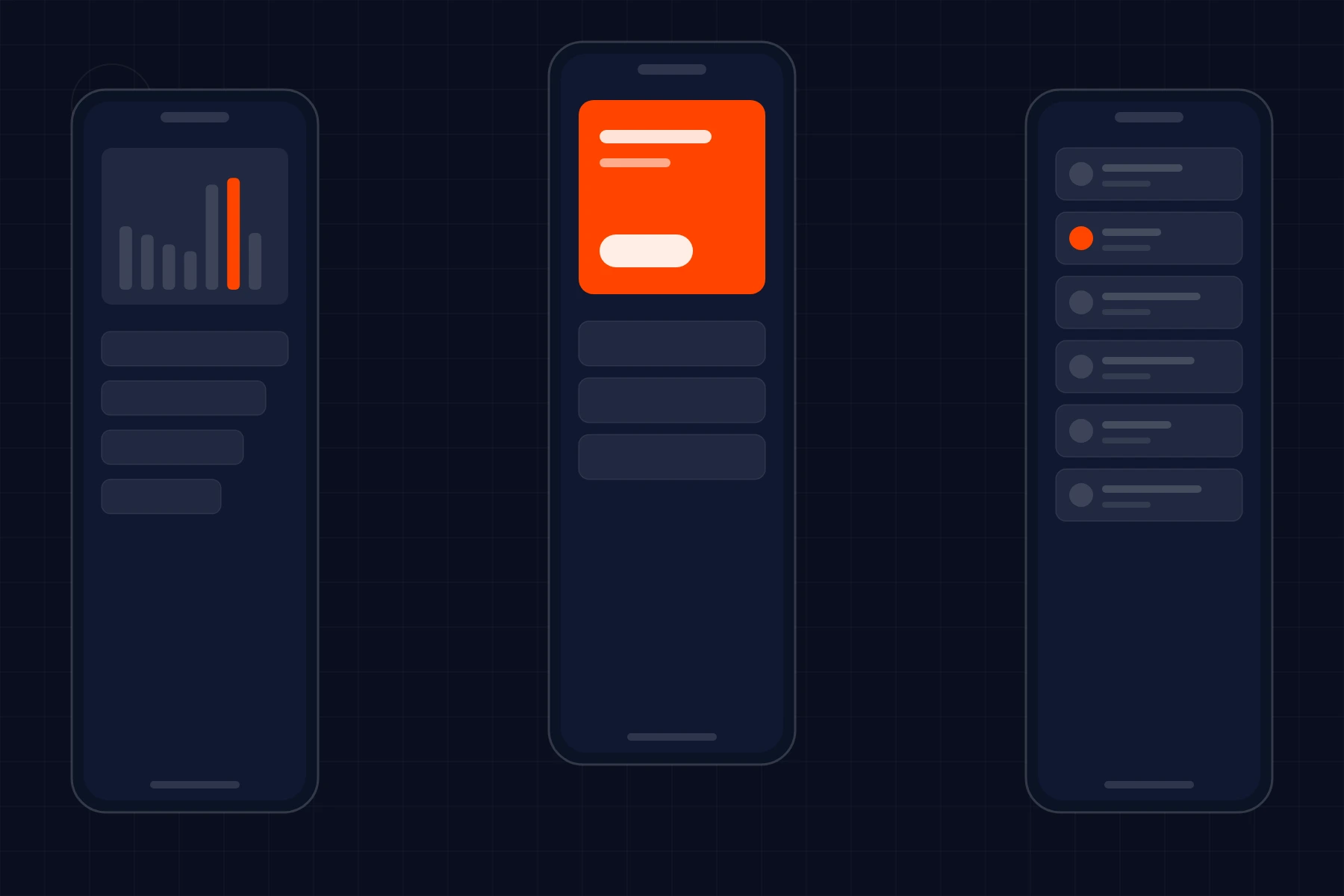
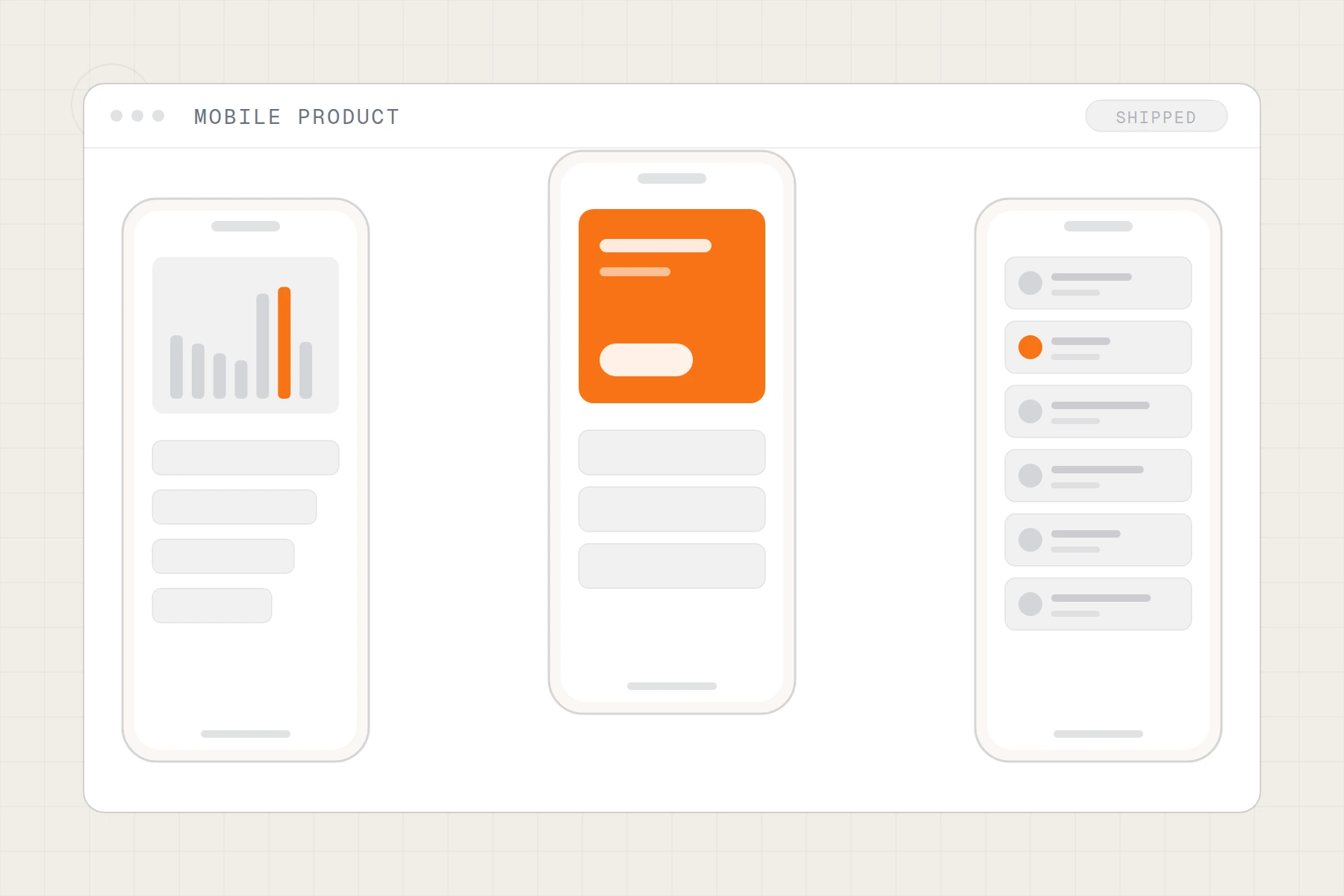
We redesigned the patient app from a foundation of dignity. Every clinical interaction was redesigned with a clinical psychologist on the team, alongside the clinic's lead consultants and a patient-experience advisor. Lab results are presented with plain-English context, clinician-approved interpretation guidance, and a clear pathway to ask a clinician a follow-up question. Cycle tracking uses warm, low-anxiety visual language — soft colors, generous spacing, no medical-stock photography. Medication schedules include preparation guidance, timing context, and a way to acknowledge an unexpected reaction. Sensitive moments (cycle loss, treatment pause, complication) use distinct visual and tonal treatments — never the same UI as routine confirmations. Appointment reminders are timed and worded humanely. The information architecture respects patient pace: a patient who wants the data sees it; a patient who needs encouragement sees that first.
How the system flows
- Lab ResultClinical ContextInterpretation GuidanceAsk-a-Clinician Path
- Cycle TrackingWarm Visual LanguagePace-Appropriate Detail
- Medication SchedulePrep GuidanceReaction Acknowledgement
- Sensitive MomentDistinct Visual + Tonal TreatmentClinician Follow-up
- Appointment ReminderHumane Timing + Wording
- Journey TimelineContextualized MilestonesPatient Pace Respected
- Quick QuestionTriagedRight ClinicianReply Window Communicated
- Clinical psychologist participation throughout design process
- Patient-experience advisor as research partner
- Distinct treatments for sensitive moments versus routine confirmations
Healthcare app adding to patient stress?
We design clinical experiences with clinicians, psychologists, and patients as research partners — because the UI is part of the care.
No retainer lock-in · Month-to-month · Full transparency